Climate Finance
-
Financing the energy transition by reducing the cost of capital
A few months ago I posted about the cost of capital (“CoC”) disparity between developed and emerging markets, and why it remains a vital component of accelerating decarbonisation. But what would happen if the CoC in emerging markets reached parity with developed markets? The barriers to emerging market financing is well known. But a recent…

-
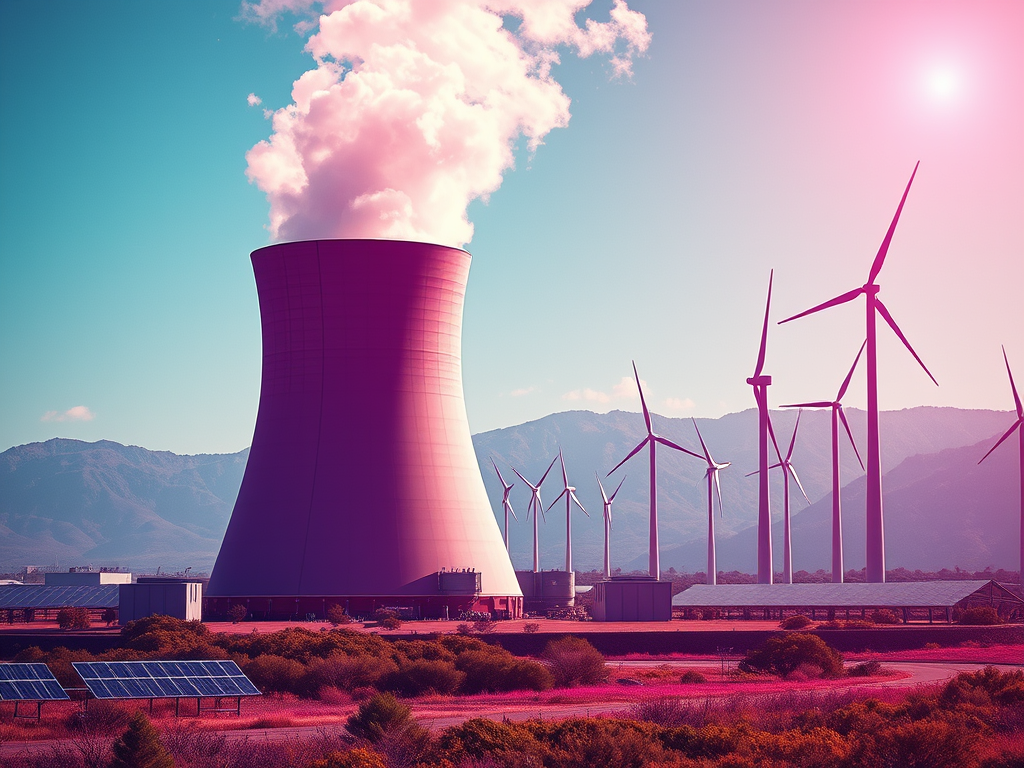
Nuclear, yes. In Australia, no mate.
I have a strong preference to look at more long-term macro trends because I see shorter-term current affairs as distractive, typically. But what’s life without making a few exceptions. For much of 2024, there has been a growing chorus of individuals calling for nuclear power in Australia. I have no issue with nuclear, it makes…
-
Climate finance – only for the good times?
A few thoughts on why I think climate finance flows will remain resilient, across the capital structure, over the short and longer-term. That trend will be non-linear but head up and to the right because climate finance provides tangible benefits that not only create positive environmental outcomes but that also promote sovereignty, productivity, resilience, and…

-
Biofuels (Part 3)
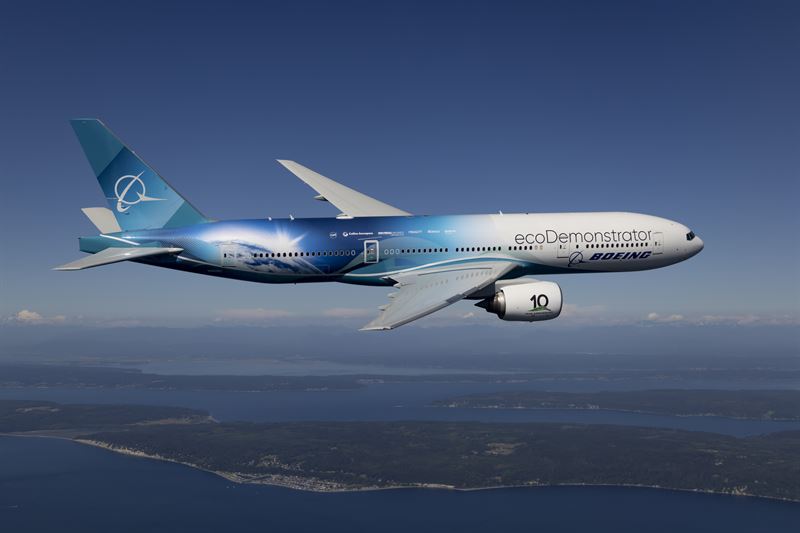
Fan demand with strong policy Originally posted June, 2024 Future demand for sustainable aviation fuel is highly uncertain given its dependancy on (among other things) national emissions plans, supportive policy, and technological development. By 2050, IRENA estimates demand of >100 billion litres each year to achieve a 50% emissions reduction, 200 billion litres for an…
-
Biofuels (Part 2)
The production cost of cleaner fuel in aviation Originally posted June, 2024 It’s a volume game. Planes and ships are designed to transport large volumes over long distances. Not a cheap business to run. That means, you want to prioritise as much cargo as possible and minimise the space needed for fuel. To do that…
-
Biofuels (Part 1)
Assymetric opportunities in aviation, the case for bio[few]ls Originally posted June, 2024 6 years to achieve a 100x increase. Opportunity: We often talk about the daunting challenges of the energy transition but there is scant mention of the asymmetric opportunities it also presents. In aviation for instance, <0.1% of aviation fuel demand was derived from…

-
Approaching impact with perspective
Originally posted November 21, 2023 How do we ensure impact outcomes create positive systemic change whilst generating alpha? Does a growing market translate to more influence and better results? How can we deploy capital responsibly and effectively? At face value these questions appear complex, but our approach does not have to be. The 1992 Earth…

-
Shipping – Decarbonising a Critical Link in the Supply Chain
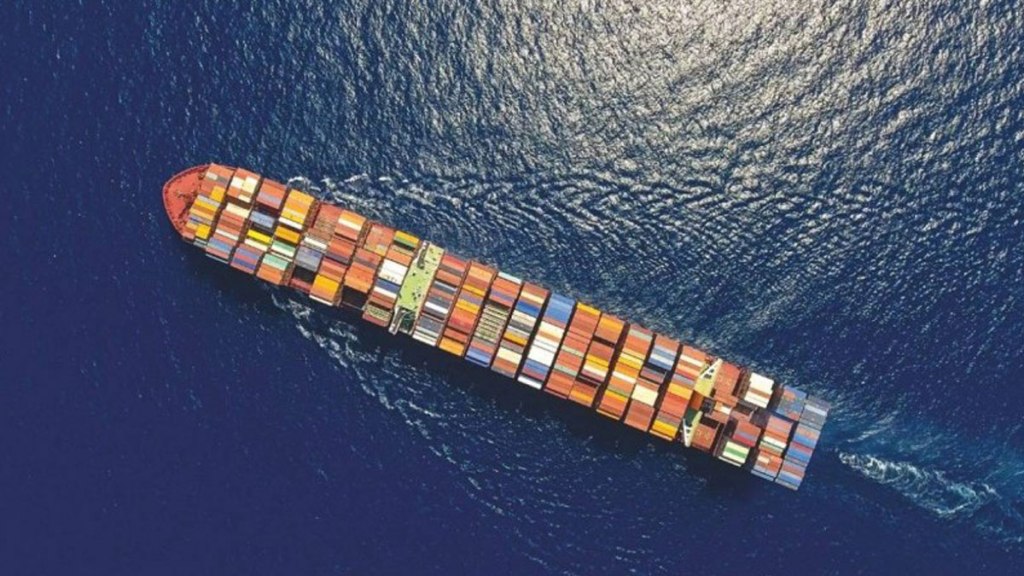
Originally posted August 9, 2022 Transportation accounts for ~16% of global energy-related CO2 emissions. Within that wedge lies the shipping industry, a sector that accounts for ~2% of global emissions and transports ~90% of world trade – acting as a critical link for trade partners. This linkage also means that as these same trade partners…
-
The Dasgupta Review – Vital Proposals for a Sustainable Future
Originally posted March 9, 2021 Humans have suspected climate cycles ebb and flow since classical antiquity, and over time, as with most things, our once rudimentary understanding has become increasingly sophisticated. Nonetheless, it wasn’t until the early 20th century that we even hypothesised humans had the ability to materially alter the composition of the Earth’s…

 Euthymia